

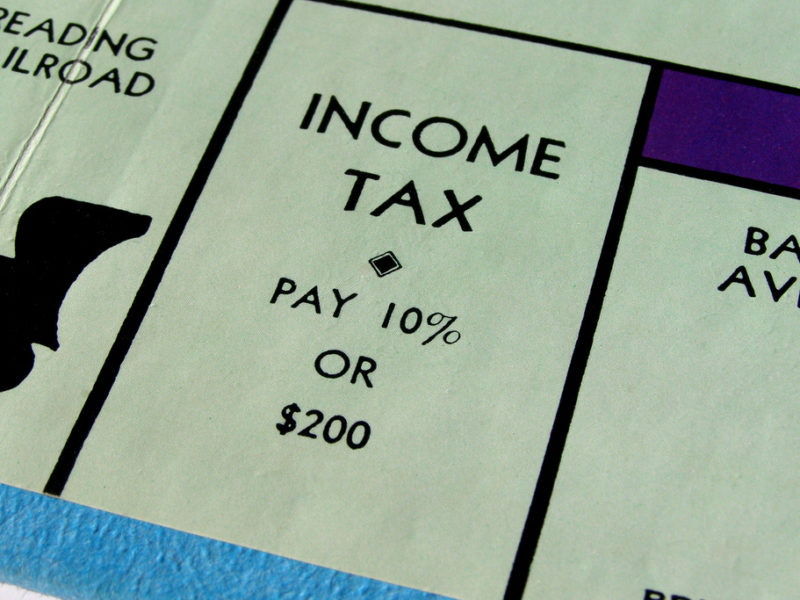
Discharging Taxes In Bankruptcy.
Contrary to popular opinion of my clients (and even some lawyers), income taxes can be discharged in bankruptcy and your refund can be protected. It’s true. Whether the money is owed to the Internal Revenue Service or the Michigan Department of Treasury, income taxes can be discharged in a Chapter 7 and Chapter 13 bankruptcy. If you meet all the following conditions, you can discharge your back taxes in full.
3 Years Old: The tax debt has to be at least three years old. More than three years have to pass between the date of filing and the date the tax return was due. Typically, the due date is April 15th of each year. However, if you filed for an extension for the tax year in question, the three years won’t start running until the due date of the extension. The date you actually filed the tax return doesn’t matter when calculating the three years. The due date controls, not the filing date.
2 Year Filing Requirement: The tax return must have been filed within the last two years. If you failed to file the return, even if the tax debt is more than three years old, you cannot discharge it. If the IRS files a tax return for the taxpayer, that doesn’t count. The tax filer must file the return themselves.
Assessed in the last 240 days: The taxes must have been assessed or determined by the IRS more than 240 days before the bankruptcy filing. For example, if your 2007 tax return is audited in 2010, you must wait until 240 days have passed from the latest date that the tax was finally determined. Tax assessments after the date of bankruptcy filing cannot be discharged as they are post-filing debts. Keep in mind that taxes based on fraudulent tax returns, trust fund taxes, or sales taxes are never dischargeable.
Not a tax lien. Once a tax debt becomes a lien on any of your real or personal property, it is a secured debt and cannot be discharged. The IRS will file the notice in either the county the land is or where the debtor lives depending on what property is being attached
Timing is everything. A mistimed filing that does not take into account all of these conditions will fail to discharge your tax debt. Sometimes, if possible given your circumstances, you may want to delay filing if it will insure wiping out old tax debt. Your bankruptcy lawyer should be familiar with these rules and help you maximize your debt relief.
Have more questions? Give us a call at 313-291-0240.
Chris McAvoy is a Michigan attorney who helps people with bankruptcy, divorce, and estate planning. To find out more or set up an appointment, click here for contact info. Our attorneys help people in Taylor, Allen Park, Southgate, Lincoln Park, Riverview, Taylor, Trenton, Flat Rock, Wyandotte, Brownstown, Belleville, Dearborn, Dearborn Heights, Westland, Garden City, Canton and the Downriver, Michigan area.
 Which Parent Gets To Claim The Child On Their Taxes?